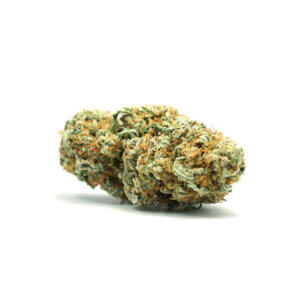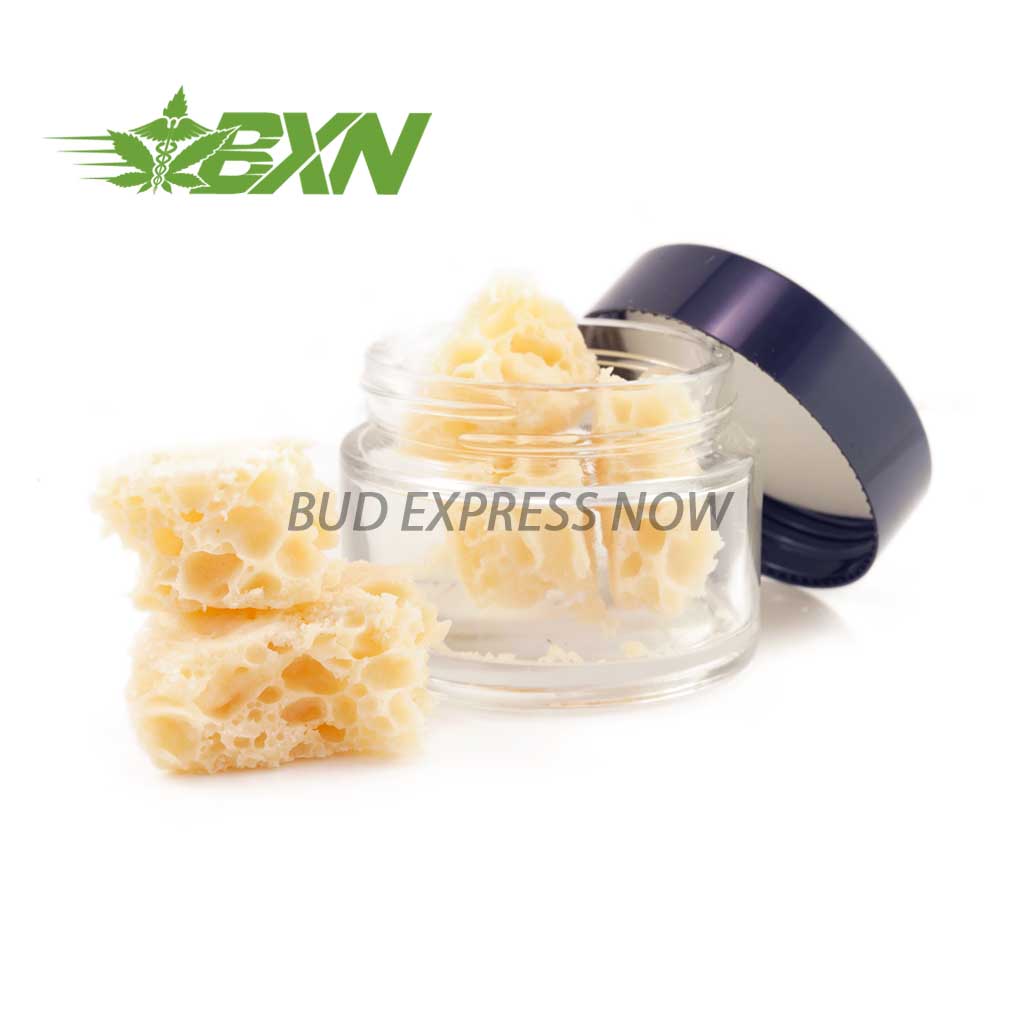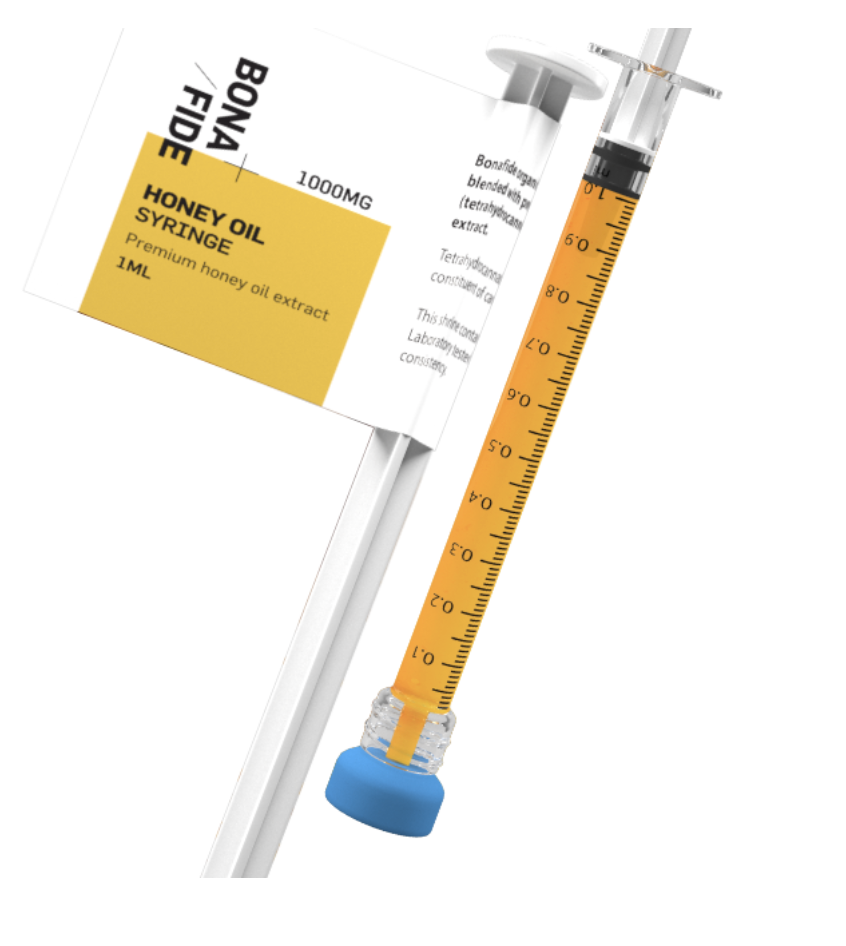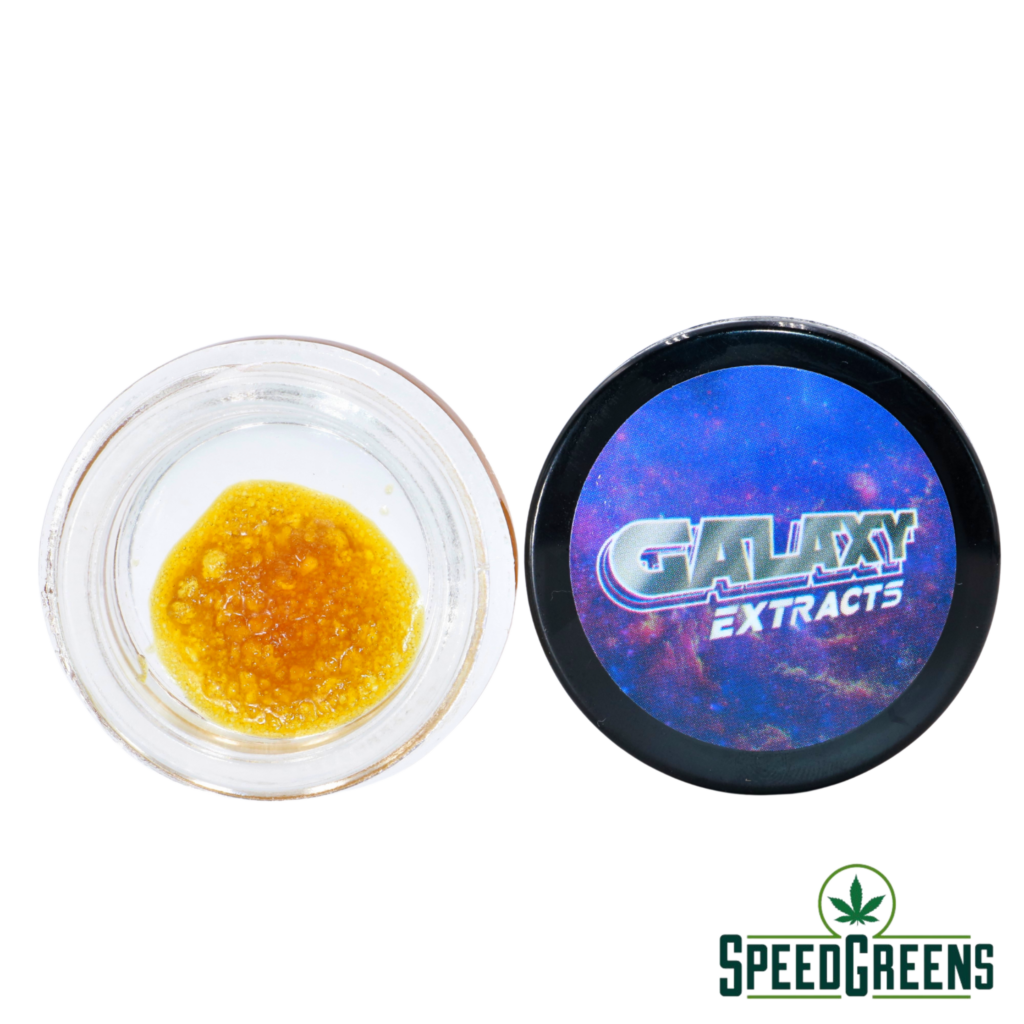
Popcorn weed is small, loose flower that grew on the lower and inner parts of the plant, where less light reached it. It is real bud (not shake, not trim), sorted out by size. The common claim that it is "just as potent as top shelf, only smaller" is close but wrong in an important way: what drives potency is not the size of the bud, it is where on the plant it grew.
Key Takeaways
- Popcorn is whole flower, sorted by size: distinct from shake (broken fragments) and trim (leaf).
- Canopy position drives potency, not bud size. Cannabinoid concentration varies substantially between the top of a plant and its lower branches.[1]
- Light is the mechanism. Yield and potency respond differently to light intensity, so a shaded branch produces smaller flower that is not automatically proportionally weaker.[3]
- The discount is steep: popcorn at the quarter-pound tier runs well under half the per-gram cost of an ounce of graded flower.
- Small buds dry faster. More surface area per gram means storage matters more than it does with dense nugs.[4]
- Popcorn is a size sort, not a grade. You will see AAA and AAAA popcorn: the letters and the size are separate axes.
What Popcorn Weed Is
Cannabis does not produce uniform flower. A plant develops one dominant flower cluster at the top of each main stem, the apical inflorescence, and progressively smaller ones down the branches, called axillary inflorescences. The top sites get direct light and the most resources. The lower and inner sites, shaded by the canopy above them, produce smaller, looser flower.
After harvest that smaller flower is separated out by size and sold as popcorn, popcorn nugs or smalls. It is the same plant, the same cure and often the same strain as the large buds it grew alongside: sorted, not downgraded.
Popcorn vs Nugs, Smalls, Shake and Trim
These get used interchangeably and they should not be. The difference is what physical part of the harvest you are actually buying.
| Term | What it is | Whole flower? |
|---|---|---|
| Nugs | Full-size buds from the upper canopy | Yes |
| Popcorn / smalls | Small whole buds from lower and inner sites | Yes |
| Shake | Fragments that broke off buds in handling and transport | No: broken pieces |
| Trim | Leaf material removed during trimming | No: leaf, not flower |
Popcorn and smalls mean the same thing. Shake and trim do not, and the price gap between them is not a bargain if you were expecting flower.
Why One Plant Grows Both
Plant architecture determines how evenly a plant's chemistry is distributed. Research on large medical cannabis plants found that shape and structure directly affect chemical uniformity. Plants are not homogeneous, and where a flower sits changes what is in it.[2] Related work on planting density found that packing plants tighter increased yield per area while reducing cannabinoid uniformity.[1]
The mechanism is light. A controlled study of increasing light intensity indoors found that yield and potency respond differently to the same increase: more light produced substantially more flower without moving cannabinoid concentration in proportion.[3] That decoupling is the whole story: a shaded branch makes less flower, but "less flower" and "weaker flower" are separate outcomes.
Is Popcorn Weaker Than Top Shelf?
Usually somewhat, but not in the way the marketing on either side suggests.
The dispensary version ("popcorn is exactly as potent, just smaller") is not supported. Cannabinoid concentration genuinely does vary with position on the plant, and lower sites tend to test lower.[1][2]
But the opposite assumption is wrong too. Size itself is not the variable. Nothing in the literature shows that a small bud is weak because it is small. Position, light exposure and plant structure drive the difference, and a small bud from a well-lit branch on a well-grown plant can test perfectly well. That is why popcorn is sold at AAA and AAAA grades rather than being dumped into a single bargain tier. The sorting is by size, and the grading still happens on top of it.
The practical read: expect popcorn to test somewhat below the same producer's top-shelf flower, and expect the discount to more than cover the difference. If the lab figures are published, compare them directly rather than assuming either version of the story.
What Popcorn Costs
The saving is real and it compounds with weight. These are live popcorn deals on Weedpedia, normalised to price per gram:
Against a $4.25/g ounce of full-size flower, popcorn at the quarter-pound tier lands at $2.68/g, about 37% less per gram, and the half-pound tier takes it to $2.23/g. Some of that is the popcorn discount and some is simply the weight tier, which is worth separating: see our guide to weed measurements for how much of the drop comes from buying bigger.
Cost per joint
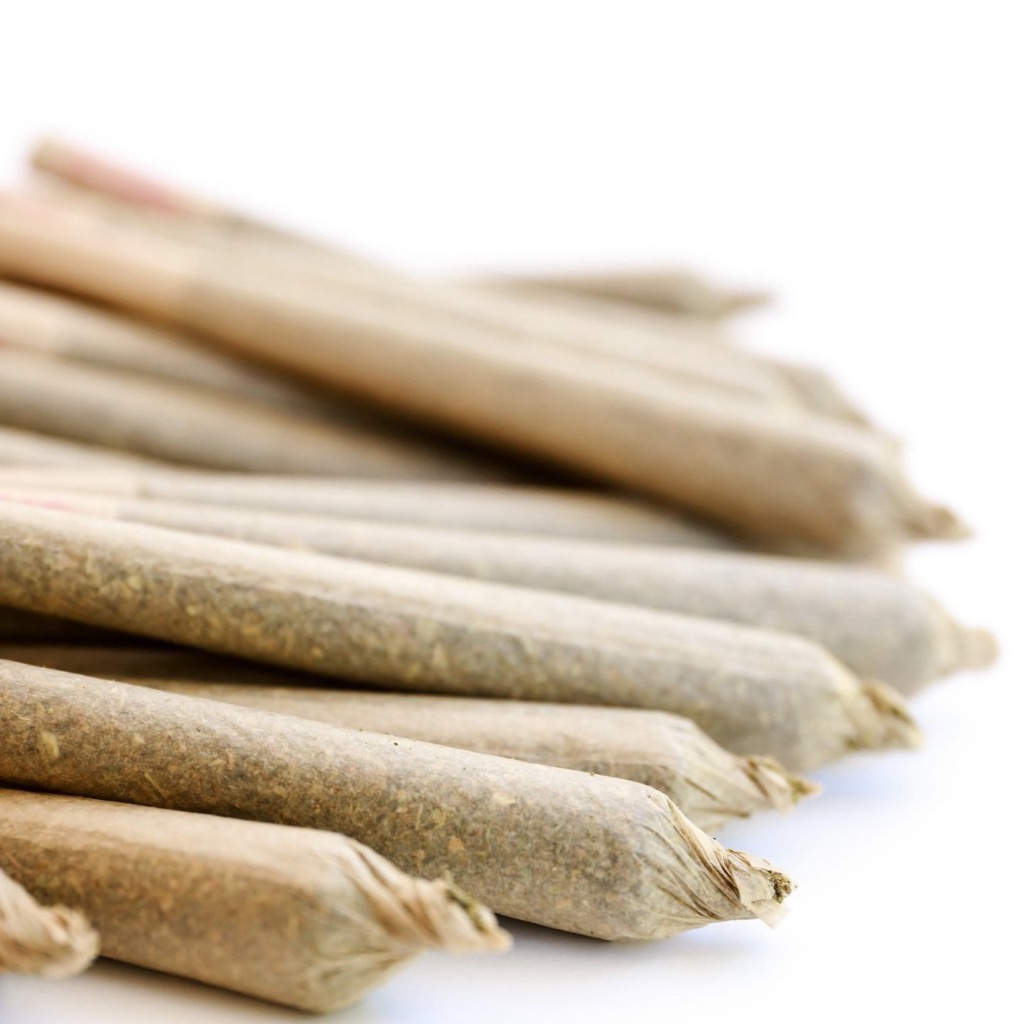
At the peer-reviewed average of 0.32 g per joint,[5] a quarter pound of popcorn yields roughly 350 joints:
| Buy | Grams | Joints at 0.32 g | Cost per joint |
|---|---|---|---|
| Full-size ounce ($119) | 28 g | 87 | $1.37 |
| Popcorn quarter pound ($300) | 112 g | 350 | $0.86 |
| Popcorn half pound ($500) | 224 g | 700 | $0.71 |
When to Buy It, and When to Skip
| Buy popcorn when | Skip it when |
|---|---|
| You roll joints or pack bowls. Size is irrelevant once ground | You want a specific strain's full expression at its best |
| You are making edibles or extracting | Presentation matters: gifting, photography |
| Cost per gram is the deciding factor | You cannot store a large quantity properly |
| You go through volume and buy at the pound tier | You buy an eighth at a time and it would sit for months |
If you want a specific cultivar rather than a mixed bag, buy full-size by the eighth instead. That is the unit strains are sold in:
Judging Popcorn Quality
The checks are the same ones you would run on any flower. Popcorn is not exempt from them, and being cheap is not an excuse for a bad cure.
- Whole buds, not fragments. If it looks like broken pieces rather than small intact flowers, you are being sold shake at popcorn prices.
- Little visible leaf. Excess leaf means it was not properly trimmed, and leaf is not flower.
- Aroma. Small buds should still smell of the strain. A flat or hay-like smell points at a poor cure or age.
- Springs back when squeezed rather than crumbling. The same cure test that applies to nugs.
- A grade and, ideally, lab figures. AAA and AAAA popcorn exist; if a listing gives neither a grade nor a panel, you are buying blind. Our guide to what AAAA, AAA and AA actually mean covers why those letters only compare within a single store.
Does Popcorn Go Stale Faster?
Yes, all else equal, because of surface area. Small buds expose proportionally more surface per gram than dense large ones, and volatile terpenes are lost from exposed surfaces. Work on post-harvest storage found that storage conditions measurably change cannabis chemistry over time,[4] so a quantity that will take months to work through needs to be stored properly rather than left in the bag it arrived in.
This matters more with popcorn precisely because people buy it in bulk. A quarter pound bought to save money and then left to dry out has not saved anything.
Where to Buy
Popcorn is a bulk-oriented product, so it is stocked most consistently by the dispensaries that sell by the ounce and above. All of these ship free over $150:
FAQ
What is popcorn weed?
Is popcorn weed weaker than top-shelf flower?
How much cheaper is popcorn weed?
What is the difference between popcorn buds and shake?
Are popcorn nugs and smalls the same thing?
Why does a cannabis plant grow popcorn buds at all?
Is popcorn weed worth buying in bulk?
Does popcorn weed dry out faster than full-size buds?
Is popcorn weed a grade below AA?
What weights does popcorn weed come in?
References
- Danziger, N., & Bernstein, N. Too Dense or Not Too Dense: Higher Planting Density Reduces Cannabinoid Uniformity but Increases Yield/Area in Drug-Type Medical Cannabis. Frontiers in Plant Science, 2022, 13:713481. DOI: 10.3389/fpls.2022.713481
- Danziger, N., & Bernstein, N. Shape Matters: Plant Architecture Affects Chemical Uniformity in Large-Size Medical Cannabis Plants. Plants, 2021, 10(9):1834. DOI: 10.3390/plants10091834
- Rodriguez-Morrison, V., Llewellyn, D., & Zheng, Y. Cannabis Yield, Potency, and Leaf Photosynthesis Respond Differently to Increasing Light Levels in an Indoor Environment. Frontiers in Plant Science, 2021, 12:646020. DOI: 10.3389/fpls.2021.646020
- Milay, L., Berman, P., Shapira, A., Guberman, O., & Meiri, D. Metabolic Profiling of Cannabis Secondary Metabolites for Evaluation of Optimal Postharvest Storage Conditions. Frontiers in Plant Science, 2020, 11:583605. DOI: 10.3389/fpls.2020.583605
- Ridgeway, G., & Kilmer, B. Bayesian inference for the distribution of grams of marijuana in a joint. Drug and Alcohol Dependence, 2016, 165, 175–180. DOI: 10.1016/j.drugalcdep.2016.06.004
This article is for informational purposes only and is not medical advice. Cannabinoid content varies by batch and by position on the plant: check the certificate of analysis for the specific product you buy. Quality grades such as AAAA and AAA are retail conventions with no legal definition in Canada and are not comparable between retailers. Prices shown are those listed at time of writing and change frequently. Follow the cannabis laws applicable in your jurisdiction. 19+.