Grape Ape Strain — Indica, 22% THC
Grape Ape is a potent indica cannabis strain created by crossing Mendocino Purps, Skunk #1, and Afghani. With 22% THC and minimal CBD at 0.1%, Grape Ape delivers deep physical relaxation and full-body calm that makes it well-suited for unwinding after a long day, managing pain, and promoting restful sleep. Users commonly report feeling sleepy, happy, and euphoric after consuming this strain.
Genetics and History
Grape Ape inherits a rich genetic heritage from its parent strains. Mendocino Purps contributes structure and potency to the cross, while Skunk #1 adds depth to the flavour profile and effect duration. The combination of these genetics has produced a strain that captures the best qualities of both parents, offering Canadian consumers a well-rounded cannabis experience. Breeders selected this cross to achieve a specific balance of potency, flavour, and effect that appeals to both recreational and medical users.
Appearance, Aroma, and Flavor
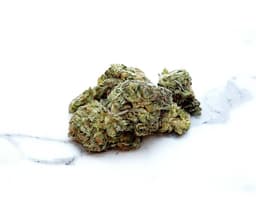
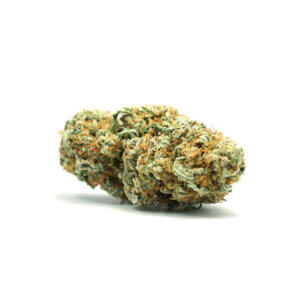
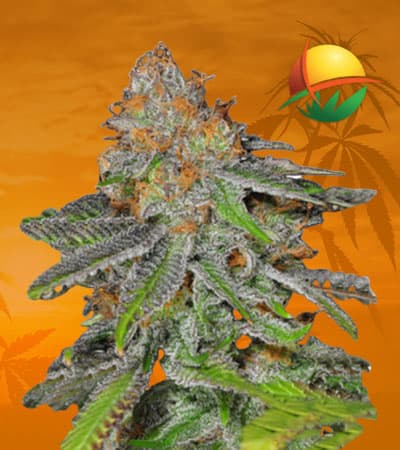
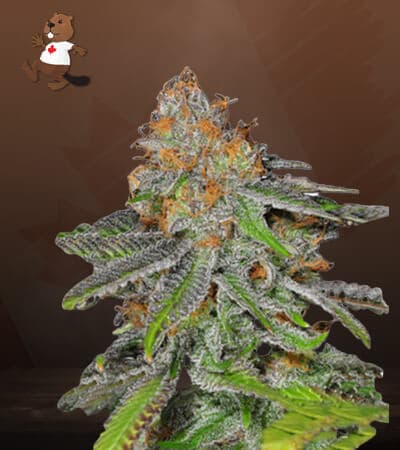
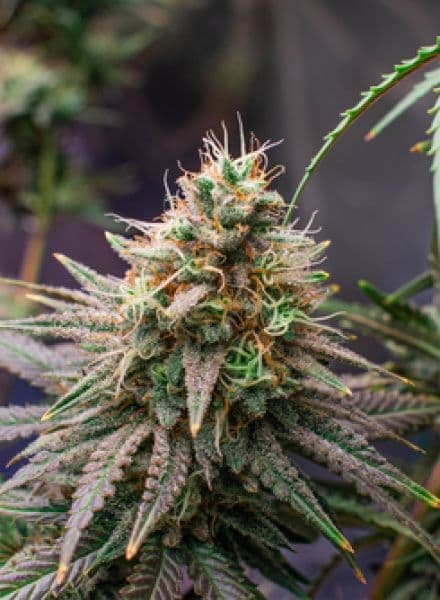
Grape Ape produces dense, tightly packed buds with a compact structure typical of quality indica genetics. The flowers are rich green colouration with a generous coating of frosty trichomes that signal the strain's high potency. The aroma greets the nose with sweet grape as the dominant note, layered with ripe berry sweetness and pleasant sweetness. When consumed, the flavour faithfully delivers on the aroma's promise. Sweet grape leads the inhale with ripe berry sweetness emerging on the exhale. The smoke is smooth and flavourful, making Grape Ape an enjoyable choice for consumers who appreciate a well-defined taste profile.
Effects and Experience
Grape Ape delivers deep physical relaxation and full-body calm that unfolds in a satisfying progression. The initial onset brings a gentle drowsiness that naturally guides users toward restful sleep, followed closely by an uplifting sense of happiness and contentment. As the experience develops, users also notice a blissful euphoria that elevates mood and outlook. A soothing wave of relaxation that melts away tension rounds out the experience, creating a well-layered effect profile that keeps Grape Ape interesting from start to finish. The high THC content of 22% means less experienced users should approach this strain with caution, starting with small doses and increasing gradually. Grape Ape is best enjoyed during evening and nighttime hours when its effects can be fully appreciated.
Medical Uses and Therapeutic Benefits
Grape Ape's therapeutic potential makes it a valuable option for medical cannabis patients in Canada. The strain's indica profile is particularly well-suited for addressing chronic pain, insomnia, muscle spasms, anxiety, and appetite stimulation. The deep physical relaxation can help manage chronic pain conditions including arthritis, back pain, and migraines. The sedative qualities make it effective for patients struggling with insomnia and sleep disorders, promoting natural sleep onset without pharmaceutical dependency. Appetite stimulation is another common benefit, helping patients dealing with appetite loss from medical treatments or eating disorders.
Terpene Profile
Grape Ape's terpene profile is led by Myrcene, Caryophyllene, and Limonene, creating a distinctive aromatic and therapeutic fingerprint. Myrcene contributes earthy and musky notes while promoting relaxation and enhancing the sedative qualities of THC. Myrcene is the most common terpene in cannabis and is also found in mangoes, hops, and lemongrass. Caryophyllene contributes spicy and peppery notes while providing anti-inflammatory and analgesic properties by interacting directly with the CB2 receptor. Caryophyllene is unique among terpenes as the only one known to directly bind to cannabinoid receptors, and is also found in black pepper and cloves. Limonene contributes bright citrus notes while elevating mood and providing stress relief. Limonene is also abundant in citrus fruit peels and has been studied for its potential anti-anxiety and antidepressant properties. Together, these terpenes work synergistically through the entourage effect, enhancing the overall therapeutic impact beyond what THC and CBD alone would provide.
Consumption Tips
For the best experience with Grape Ape, consume during evening and nighttime hours. Vaporizing at temperatures between 190-205°C will fully activate the sedative terpenes and deliver maximum relaxation. Have comfortable seating and snacks prepared, as motivation to move may decrease as the effects deepen. Grape Ape pairs well with calming activities like reading, listening to music, or watching films.
Growing Information
Grape Ape displays a compact, bushy structure with broad leaves that makes it well-suited for indoor growing environments with limited vertical space. The compact plants typically finish flowering in 7 to 9 weeks and produce dense, resinous buds. The strain's indica heritage contributes natural resilience to common pests and environmental stress, making it a relatively forgiving choice for growers at various experience levels.
Terpenes
Germinating Seeds
Growing Grape Ape from seed? This free guide covers the paper towel, cotton pad and water glass methods.
Download the Germination Guide (PDF)Grape Ape’s Children
48 of the 3,596 strains we publish list Grape Ape as a parent (1.3% of the catalogue), and a further 1 carries the name without descending from it directly. They average 20.6% THC.
Counted from our published catalogue when this page loaded.
Where to Buy Grape Ape Seeds






Where to Buy Grape Ape

Explore More with Our Favourite Dispensaries





Grape Ape Products
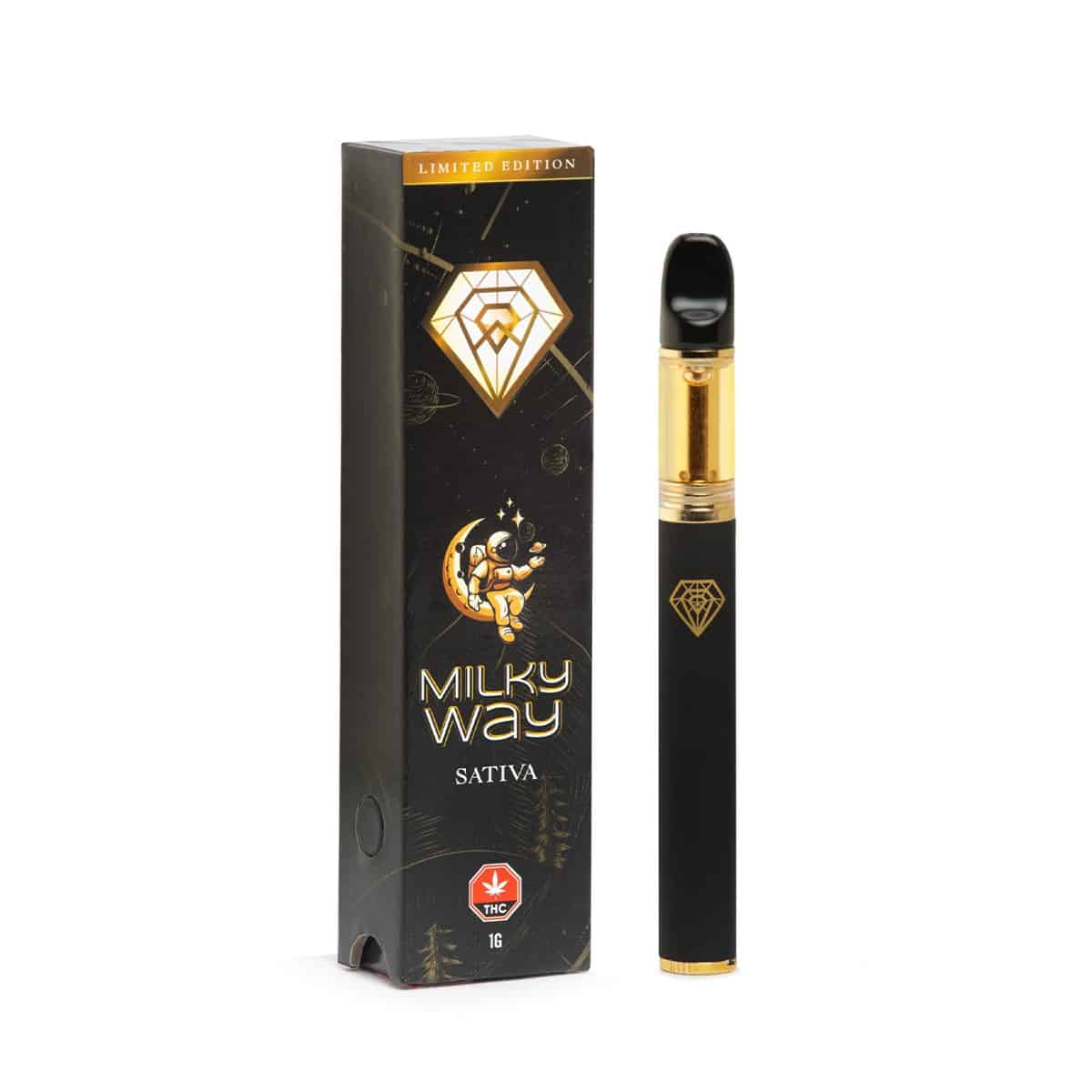
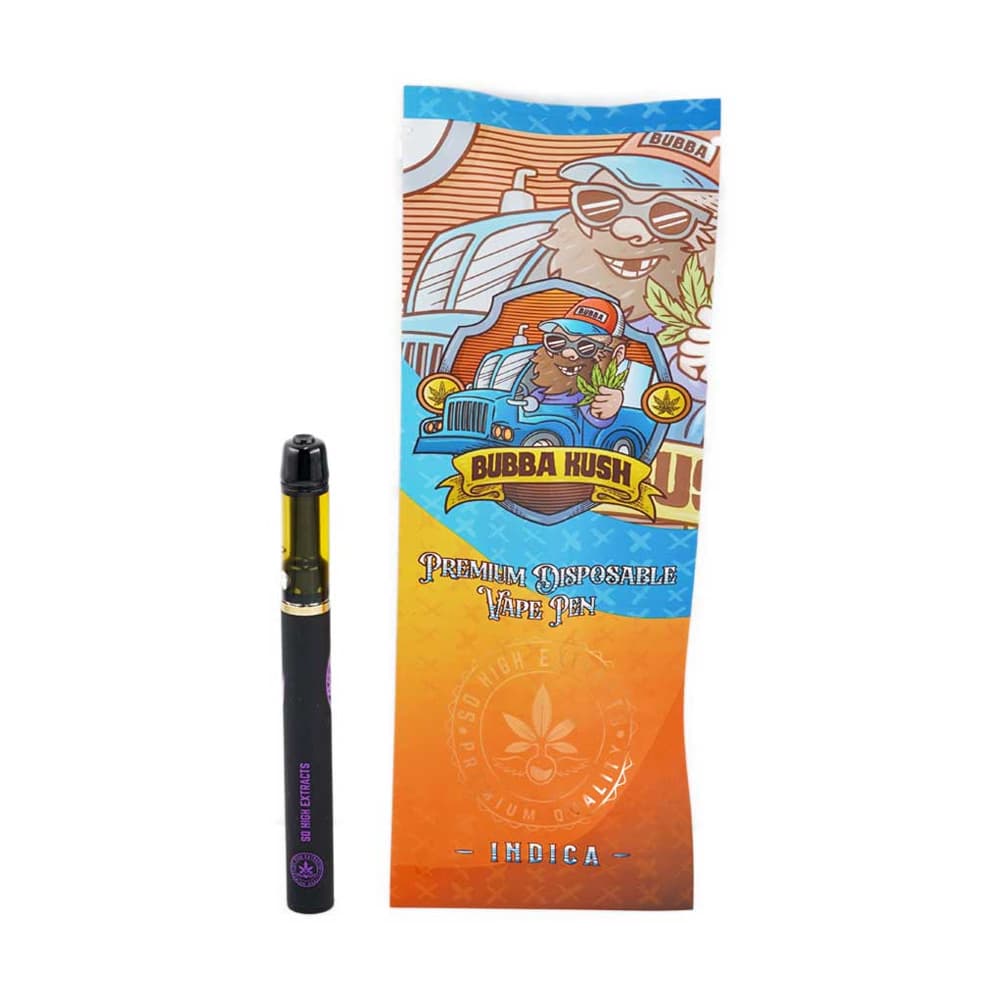
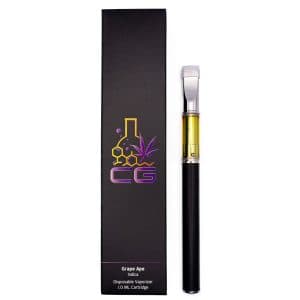
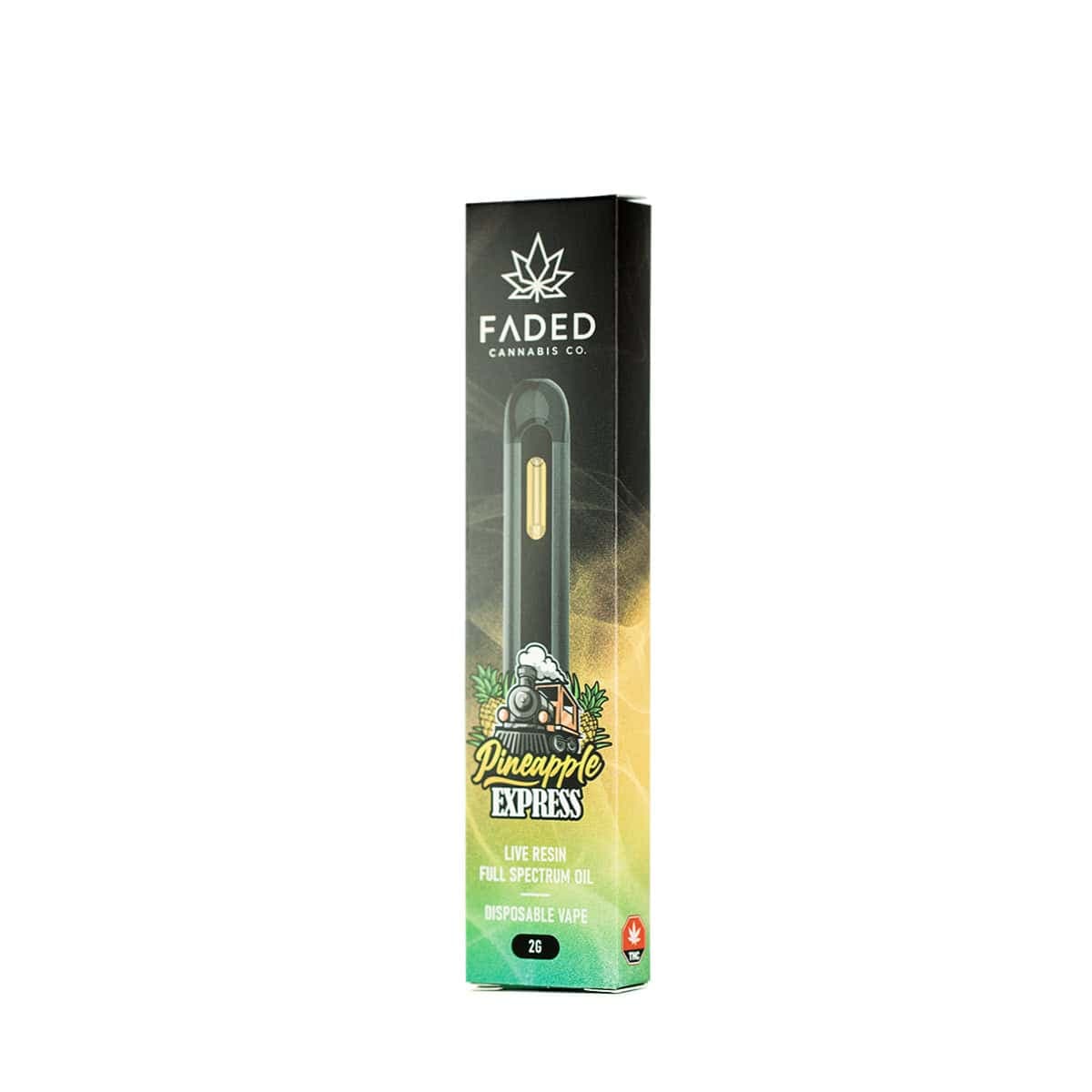
Vapes and concentrates made from Grape Ape, with prices from the shops we track.


Frequently Asked Questions
What are the effects of Grape Ape strain?
What does Grape Ape taste and smell like?
What medical conditions is Grape Ape good for?
How strong is Grape Ape cannabis?
When is the best time to use Grape Ape?
What is Grape Ape strain a cross of?
What terpenes are in Grape Ape?
Grape Ape Reviews (0)
No reviews yet. Be the first to review Grape Ape!