Terpene
Strains with Linalool
347 strains rich in linalool terpene.
Showing 1–40 of 347 strains
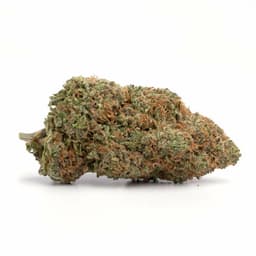
Runtz
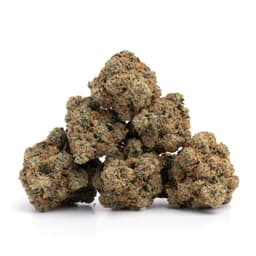
Lemon Cherry Gelato

Pink Runtz

White Runtz
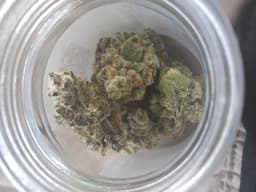
Blue Zushi

Blueberry Muffin
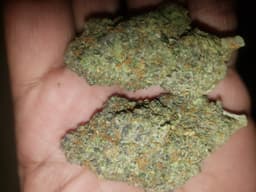
Gelonade

Blueberry
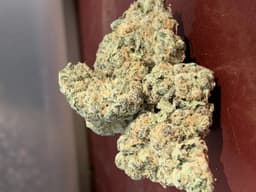
Grape Gas

Cookies and Cream

Black Runtz

Blue Cookies

Tropicana Cookies

Motorbreath

Strawberry Cough

Blue Runtz

Animal Cookies
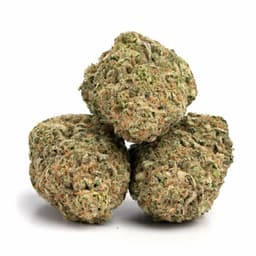
Black Cherry Gelato

Bubble Gum Runtz

Bubblegum Gelato
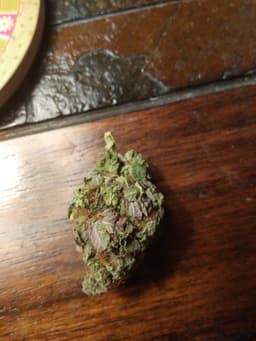
Strawberry Guava

Bubble Bath

Gelato Cake

Red Runtz

Banana Runtz

Gelato 41

Strawberry Shortcake

White Tahoe Cookies

Blueberry Pancakes

Mandarin Cookies
Acai Berry Gelato

Gorilla Cookies
Member Berry

Cookies and Chem

Strawberry Cheesecake

Orange Cookies

Platinum Cookies

Alien Cookies

Jet Fuel Gelato

Pink Cookies
What linalool is
The lavender terpene, listed on far fewer strains than the big three.
- Strains listing it
- 347
- Average listed THC
- 21.1%
- Aroma
- Lavender
- Also found in
- lavender, hops
Linalool is common to lavender, and it also occurs in hop essential oils. In our catalogue it is listed on roughly a tenth as many strains as myrcene, limonene or caryophyllene.
Lavender oil is a popular anxiolytic, and studies in mice found inhaled linalool sedating. One human study, cited in a 2011 review in the British Journal of Pharmacology, found that patients used less morphine after inhaling lavender oil. Whether linalool shapes the effects of a cannabis product has not been established in people.
Its scarcity is useful in itself: a listing that names linalool is a less generic signal than one naming the near-universal trio.
Linalool in our catalogue
347 published strains list linalool: 72 indica (21%), 261 hybrid (75%) and 14 sativa (4%), averaging 21.1% listed THC. The flavour notes they carry most often are sweet, berry, vanilla, dough and fruity.
Questions about linalool
Does linalool make cannabis relaxing?
Mouse studies found inhaled linalool sedating, but whether it shapes the effects of cannabis in people has not been established.
Why do so few strains list linalool?
It is listed far less often than myrcene, limonene and caryophyllene: in our catalogue, on roughly a tenth as many strains.
Where else is linalool found?
Lavender, most famously, and hop essential oils.
Counts are computed from our published strain catalogue at page load. Terpene listings describe a cultivar’s reported profile rather than an assay of any particular batch. The idea that terpene content shapes the felt effects of cannabis, the “entourage effect”, remains unproven in people, and nothing here should be read as a medical claim. For adults 19+.
Sources: Russo (2011), Taming THC, British Journal of Pharmacology; Surendran et al. (2021), Myrcene, Frontiers in Nutrition.