Microdosing cannabis means using a much smaller amount of THC than a typical recreational amount, but the sources reviewed fix no single agreed amount. The nearest official yardstick is a 2.5 mg "standard THC unit" proposed by the CCSA, which is a way of measuring, not a recommended dose.[1]
Key Takeaways
- There is no single legal or medical definition of a microdose. One 2026 survey study described it as roughly one fifth to one twentieth of a recreational dose.[5]
- The CCSA's 2.5 mg standard THC unit is a measurement tool. The CCSA page does not present it as a recommended or safe amount to consume.[1]
- Health Canada caps edibles at 10 mg of THC per package. That is four 2.5 mg units at most in one package.[2]
- Popularity is not proof. Searches for "microdosing" rose about 13.4-fold in the US from 2015 to 2023, but that study measured interest, not results.[4]
- Lower-risk guidelines point at the same habits microdosing talk tends to skip. They name low-potency products, avoiding daily use and not driving impaired.[3]
What does microdosing cannabis actually mean?
It means taking a deliberately small amount of THC, well below a usual recreational amount. The word is borrowed from other substances and has no fixed number attached to it in Canadian law or guidance.
A 2026 survey study in the American Journal of Preventive Medicine introduced microdosing as consuming low doses of psychoactive substances, typically between one fifth and one twentieth of a recreational dose.[5] That is the researchers' framing of the term, not a rule. What counts as a "recreational dose" also varies a lot from person to person, so the fraction does not turn into one universal milligram figure.
In practice, people use the word loosely: some mean a tiny edible, some mean a single small inhalation, some mean "less than I normally use". This article sticks to what Canadian sources and published studies actually say about small amounts, and is upfront about where the evidence stops.
What is the 2.5 mg standard THC unit?
It is a defined amount of delta-9-THC, 2.5 mg, proposed by the CCSA as a common unit for measuring cannabis across products and methods of use. It is a way to count THC, not advice on how much to use.[1]
The Canadian Centre on Substance Use and Addiction (CCSA) published "Parameters for a Standard THC Unit in Canada" and recommends 2.5 mg for Canada. It says the figure was reached by weighing several parameters, including the Canadian substance use landscape, the aims of the Cannabis Act, the diversity of people who use cannabis, consistency with lower-risk guidance, and experimental and real-world data.[1]
The key point is what the unit is not. The CCSA page describes a unit of measurement. It does not say 2.5 mg is a dose to aim for, a safe amount, or a legal limit.[1] Think of it like a "standard drink" for alcohol: a ruler that makes products comparable, so you can see how much you are taking in.
| Term | What it is | What it is not |
|---|---|---|
| Standard THC unit (2.5 mg) | A proposed common measure of THC across products[1] | Not presented as a recommended or safe dose[1] |
| 10 mg per package (edibles) | Health Canada's precautionary limit per immediate container[2] | Not a serving suggestion |
| "Microdose" | An informal term, described in one study as about 1/5 to 1/20 of a recreational dose[5] | Not a defined legal or medical amount |
How does the unit line up with what is sold in Canada?
Health Canada limits edible cannabis to 10 mg of THC per immediate container, so one package holds at most four 2.5 mg units. The four-unit figure is simple arithmetic on those two numbers.[1][2]
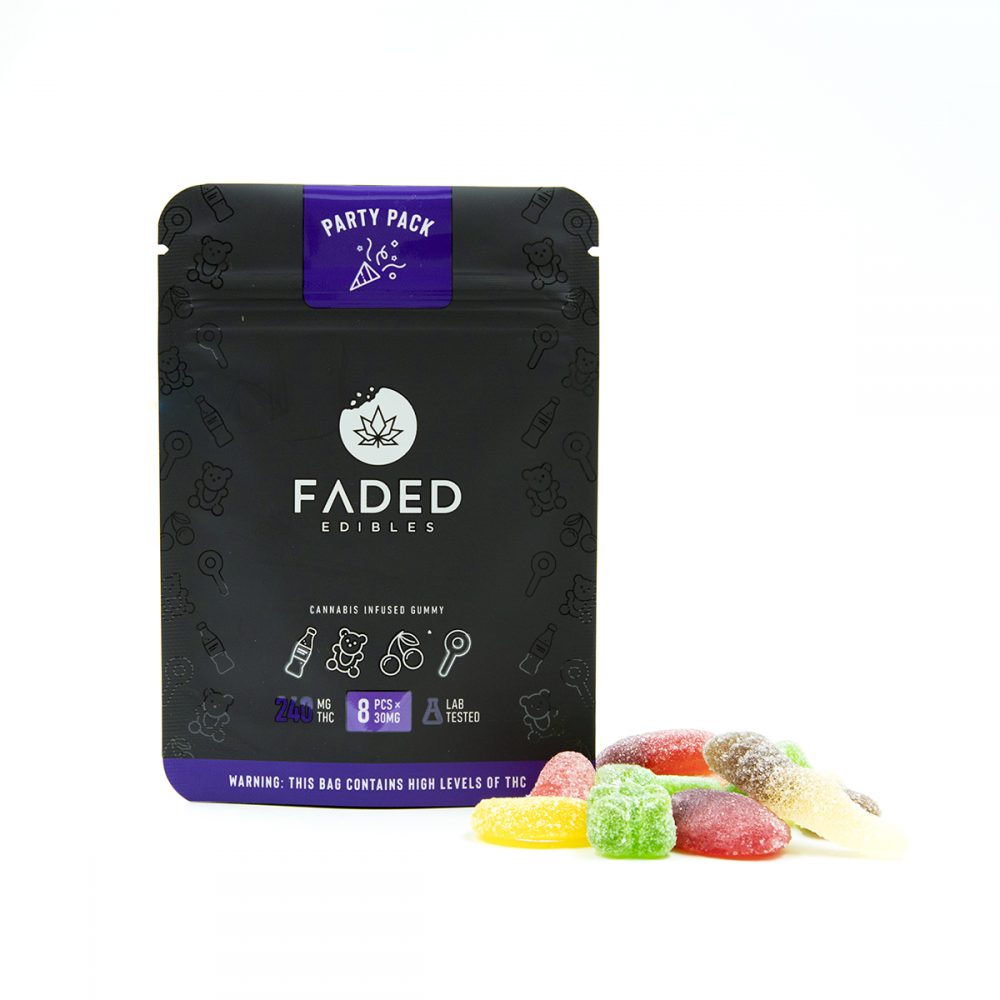
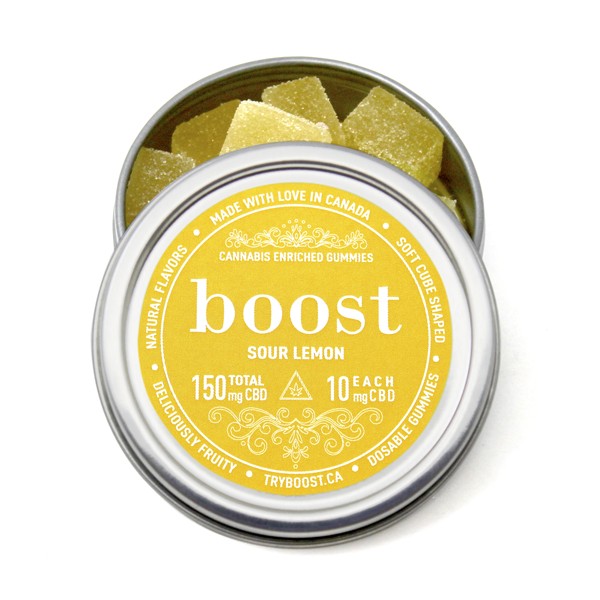
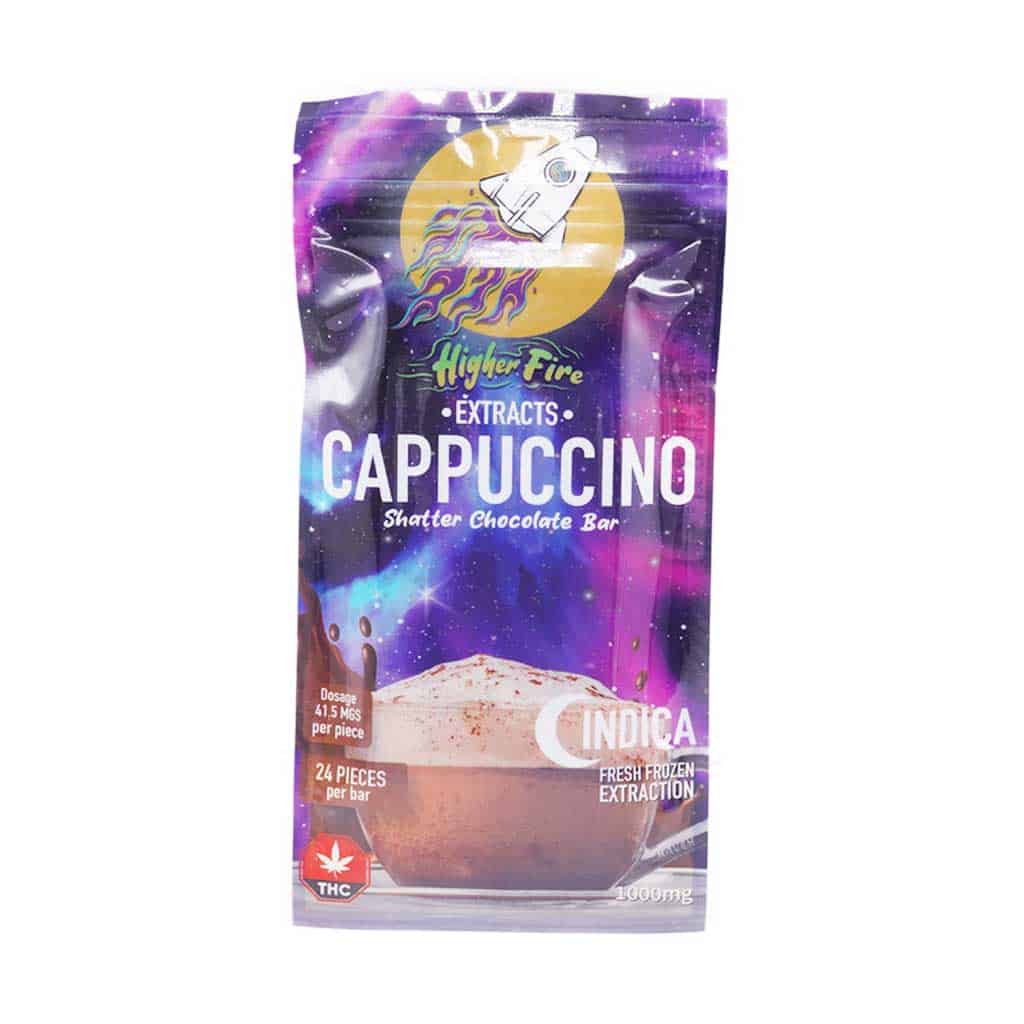
Health Canada describes the 10 mg figure as a precautionary limit per immediate container, not per piece. That matters for gummies: a package of ten gummies with 10 mg in total carries about 1 mg each if the THC is spread evenly, and a package of four could carry 2.5 mg each. Always read the label for THC per piece and per package rather than assuming.
Edibles are defined by how they are meant to be used. Health Canada says a product is edible cannabis if it is intended to be consumed in the same manner as food, such as eaten or drunk. Gummies, chocolates, candies, baked goods and beverages are its examples of food formats.[2] Extracts follow different rules, with up to 1,000 mg per immediate container, which is why packaging and format matter so much when you compare products.[2]
| Package THC | Standard units (2.5 mg each) | Where it comes from |
|---|---|---|
| 2.5 mg | 1 | The CCSA unit[1] |
| 5 mg | 2 | Arithmetic on the CCSA unit |
| 10 mg | 4 | Health Canada's edible limit per package[2] |
| 1,000 mg | 400 | Health Canada's extract limit per container[2] |
For more on how potency figures on labels translate, see how strong Canadian weed is, and browse labelled options in edibles.
How common is microdosing cannabis?
More common than you might expect, at least in the US. A national survey found 9.4% of adults said they had microdosed cannabis at some point in their lives, more than any of the psychedelics it asked about.[5]
The study used a web survey of 1,523 US adults in October and November 2023, weighted to represent the country. It estimated lifetime cannabis microdosing at 9.4% (about 24.1 million adults), against 5.3% for psilocybin, 4.8% for LSD and 2.2% for MDMA.[5] These are self-reported numbers from the US, not Canada, and "microdosing" was what respondents said it was.
| Substance | Lifetime microdosing, US adults (2023 survey) |
|---|---|
| Cannabis | 9.4% |
| Psilocybin | 5.3% |
| LSD | 4.8% |
| MDMA | 2.2% |
Source for the table: the 2026 survey study.[5]
The same study reported that 41.2% of people who microdosed cannabis said they did so primarily for medical purposes, such as to manage pain.[5] That is what respondents reported as their reason. It does not show that microdosing achieved anything, and this article does not claim it does. Microdosing was also associated with poorer reported mental health, which shows who is trying it, not what it does.[5]
What do lower-risk use guidelines say about small amounts?
They do not define a microdose, but they back several habits that overlap with the idea. A 2017 review in the American Journal of Public Health produced 10 recommendations for lower-risk use.[3]
The authors, who reviewed evidence on modifiable behaviours, said that the most effective way to avoid cannabis-related health risks is abstinence. For people who do use, they recommended choosing low-potency THC or balanced THC-to-CBD products, avoiding combusted inhalation, avoiding daily or near-daily use, and not driving while impaired.[3] They also said people at higher risk of cannabis-related health problems should avoid use altogether.[3]
| Lower-risk recommendation | How it relates to small amounts |
|---|---|
| Choose low-potency THC or balanced THC:CBD products[3] | Low-THC products are one way people keep an amount small |
| Avoid daily or near-daily use[3] | A small amount used every day is still frequent use |
| Avoid combusted inhalation[3] | Smoke exposure is not removed by a small amount |
| Abstain from impaired driving[3] | See driving high in Canada |
| Higher-risk groups should avoid use[3] | "Micro" does not change the group you are in |
The link between small amounts and those habits is our reading of the guidelines. They were not written about microdosing, and only the abstract of the 2017 paper was read for this article.
Does a small amount mean no risk or no tolerance build-up?
No source here says that. The CCSA unit is a measure, and the guidelines pair low potency with other advice such as avoiding frequent use.[1][3] Nothing reviewed for this article tested whether a small repeated amount avoids tolerance.
If your usual amount has stopped working and you are tempted to "reset" with a tiny one, read why your usual amount stops working first. If you have ever overdone an edible, greening out and how long an edible high lasts explain why people tend to go slowly with food-format products. Impairment from even a small amount of THC is not something this article can rule out, so treat any amount as potentially impairing until you know how you react.
How reliable is what you read about microdosing cannabis?
Much of it is enthusiasm, not evidence. Searches and surveys show microdosing is popular, but the studies found for this article measured interest and self-reported use, not whether small amounts do anything.
A 2024 study in JAMA Health Forum analysed Google Trends data from 2010 to 2023. Searches for microdosing were stable through 2014, then rose every year, about 13.4-fold from 2015 to 2023 (from 7.9 to 105.6 per 10 million searches).[4] Statewide recreational cannabis laws were associated with higher search rates. The study did not test whether microdosing works, and its authors noted that clinical evidence on microdosing is limited and contradictory.[4]
"Unverified" is not "disproven": absence of good trials does not mean small amounts do nothing, only that nobody here can say. Keep that in mind when a post, video or forum thread presents a micro amount as proven.
| Claim you may see | What the sources reviewed support |
|---|---|
| "Microdosing has a standard amount" | No. The 2.5 mg unit is a measurement proposal, not a dose[1] |
| "Microdosing is proven to work" | Not shown. Authors describe clinical evidence as limited and contradictory[4] |
| "Lots of people are doing it" | Self-reported lifetime use was 9.4% of US adults in one survey[5] |
| "A tiny amount can't impair you" | No source reviewed says so. Lower-risk guidance still says not to drive impaired[3] |
| "Interest means evidence" | No. Search volume measures attention[4] |
One more caution: the 2026 survey study was read as an abstract only, so this article keeps to its headline figures and does not draw detailed conclusions from it.
How do you read a label if you want a lower amount?
Look for THC per piece and THC per package, then do the sum yourself. Do not rely on the word "micro" on a front panel, because Health Canada's limits are set per package, not by that word.[2]
A few practical checks that stay within what the sources say: confirm the milligrams of THC on the label, work out the amount per piece, and compare it against the 2.5 mg unit if you want a common measure.[1] Dispensary pages and our dispensary listings show label data for many products.
FAQ
What is a microdose of cannabis?
Is 2.5 mg of THC a microdose?
What is the legal THC limit for edibles in Canada?
Does microdosing cannabis work?
How many people microdose cannabis?
Can I drive after a small amount of THC?
Does using a small amount every day avoid the risks of frequent use?
Should I microdose if I have a health condition?
References
- Gabrys R, Wood S, Canadian Centre on Substance Use and Addiction. Parameters for a Standard THC Unit in Canada. 2026. ccsa.ca
- Health Canada. Classification of edible cannabis. canada.ca
- Fischer B, Russell C, Sabioni P, van den Brink W, Le Foll B, Hall W, Rehm J, Room R. Lower-Risk Cannabis Use Guidelines: A Comprehensive Update of Evidence and Recommendations. Am J Public Health 2017;107(8):e1-e12. doi.org
- Yang Y, Satybaldiyeva N, Allen J, Ayers JW, Leas EC. State Cannabis and Psychedelic Legislation and Microdosing Interest in the US. JAMA Health Forum 2024;5(6):e241653. doi.org
- Yang Y, Satybaldiyeva N, Kepner W, Friedman L, Ping E, Leas EC. Prevalence and Reasons for Microdosing Cannabis, Psilocybin, LSD, and MDMA Among U.S. Adults. Am J Prev Med 2026;71(4):108381. doi.org
For adults 19+. General information, not medical advice. In an emergency, call 9-1-1.