Terpene
Strains with Caryophyllene
3439 strains rich in caryophyllene terpene.
Showing 481–520 of 3439 strains
Lemon Royale
Pre 98 Bubba Kush
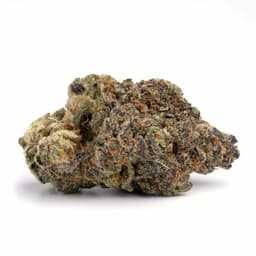
Black Water
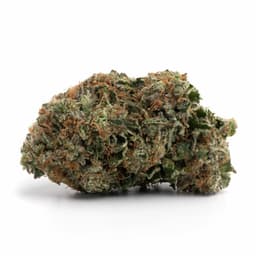
Blackwater
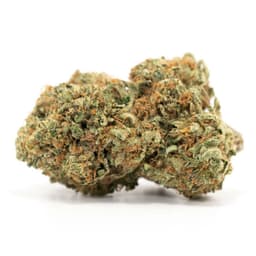
Great White Shark

Private Reserve

Sangria
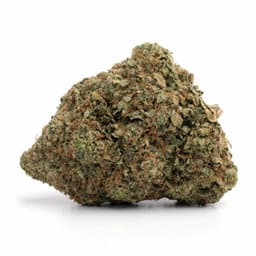
Huckleberry

Casino Kush

Deep Space

Kool Whip

Molotov Cocktail
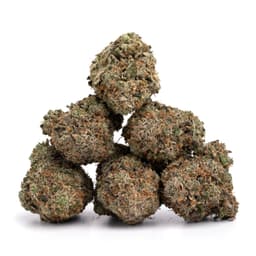
Black Cherry Punch

Blue Sherbert
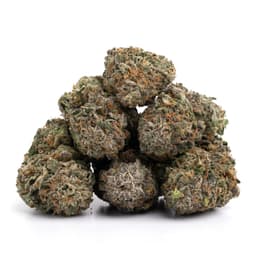
Cali Kush

Dole Whip

Banana Split

Bakers Dozen
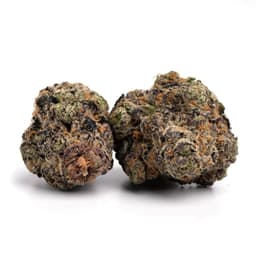
DJ Short Blueberry

Froyo

Galaxy
Purple Dragon
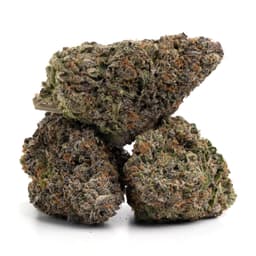
Sour Peach

Wookies

Yoda OG

Banana Puddintain
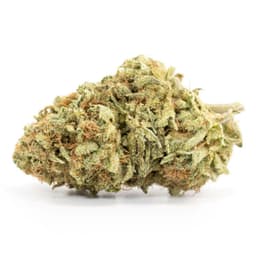
Blue Zkittlez
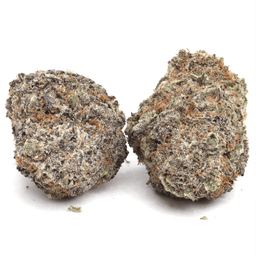
Blueberry Headband

Champagne Kush
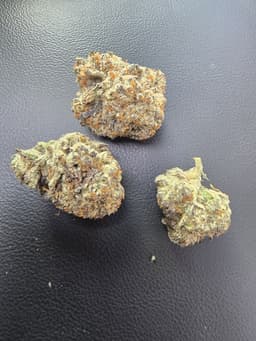
Secret Cookies
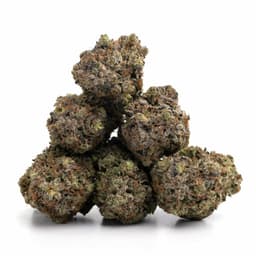
Shishkaberry

Black Lime

Gummy Buns

White Gummy

Apple Pie

Bahama Mama
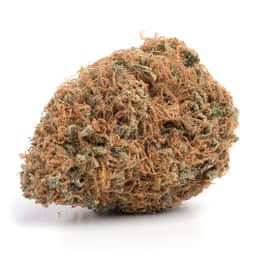
Bangkok Purple

Cake Batter
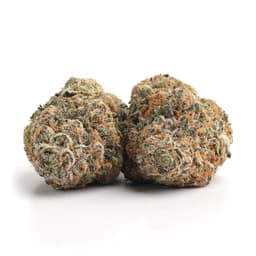
Cake Mix

Cookie Dough
What caryophyllene is
A spicy terpene, and the only one known to bind a cannabinoid receptor directly.
- Strains listing it
- 3,439
- Average listed THC
- 21.3%
- Aroma
- Spicy
- Also found in
- black pepper, copaiba balsam
Beta-caryophyllene is a spicy-smelling sesquiterpene common to black pepper and copaiba balsam.
It is unusual among terpenes: it is a selective, full agonist at the CB2 cannabinoid receptor, the only terpene known to interact with the endocannabinoid system. A 2011 review in the British Journal of Pharmacology called it the first proven phytocannabinoid outside the cannabis genus, and noted that it is a non-toxic part of the diet.
That mechanism is real, but the CB2 evidence comes from studies in mice, and how terpenes shape the effects of cannabis in people has not been established.
Caryophyllene in our catalogue
3,439 published strains list caryophyllene: 1,108 indica (32%), 2,025 hybrid (59%) and 306 sativa (9%), averaging 21.3% listed THC. The flavour notes they carry most often are earthy, sweet, fruity, pine and woody.
Questions about caryophyllene
Is caryophyllene a cannabinoid?
It is a terpene, but it binds the CB2 cannabinoid receptor as a selective full agonist. It is the only terpene known to interact with the endocannabinoid system.
Does caryophyllene help with inflammation?
Its CB2 activity has made it a subject of research, but that work has been in animals. It has not been confirmed in people, so do not read it as a medical claim.
What does caryophyllene smell like?
Spicy. It is common to black pepper.
Counts are computed from our published strain catalogue at page load. Terpene listings describe a cultivar’s reported profile rather than an assay of any particular batch. The idea that terpene content shapes the felt effects of cannabis, the “entourage effect”, remains unproven in people, and nothing here should be read as a medical claim. For adults 19+.
Sources: Russo (2011), Taming THC, British Journal of Pharmacology; Terpenes/terpenoids in cannabis: are they important? (review, PMC).