Why Is MOTA Edibles Shut Down? The Full Story Behind the Closure
MOTA Edibles was one of Canada's biggest grey-market cannabis edibles brands, until they disappeared. Here's what happened, from police raids and civil forfeiture to the post-legalization crackdown.
If you've tried searching for MOTA Edibles recently, you've probably noticed something: they're gone. The once-dominant cannabis edibles brand that Canadians loved for their THC gummy bears, hard candies, and chocolate bars has completely vanished from the market. No website, no social media, no products on shelves. So what happened to MOTA Edibles, and why did they shut down?
In this article, we break down everything we know about the MOTA Edibles shutdown, from the police investigations and civil forfeiture lawsuits to the theories circulating in Canada's cannabis community.
⚠️ Important: MOTA Edibles is no longer operating. If you see MOTA products being sold online, exercise extreme caution. They may be expired, counterfeit, or improperly stored.
Who Was MOTA Edibles?
MOTA (which stood for "Marijuana On The Avenue") was one of Canada's most well-known cannabis edibles brands in the grey market. Operating out of British Columbia, MOTA built a massive following by offering a wide range of infused products at price points that undercut the legal market by a significant margin.
Their product lineup included:
- THC Gummy Bears: their most iconic product, available in various potencies
- Hard Candies & Lollipops (discreet, portable edibles
- Chocolate Bars), milk and dark chocolate infused with THC
- Sour Belts & Gummies, high-dose options popular with experienced consumers
- CBD Edibles, a smaller but growing line for non-psychoactive use
MOTA products were carried by dozens of online dispensaries across Canada, making them one of the most widely available edibles brands in the country's grey market. For many Canadians, MOTA was their first experience with cannabis edibles.
Why Did MOTA Edibles Shut Down?
There's no single press release or official statement from MOTA explaining the closure. The brand simply went dark. However, based on public records, court filings, and industry sources, there are two leading theories:
Theory 1: Law Enforcement Action & Civil Forfeiture
The most substantiated explanation involves police raids and a massive civil forfeiture case brought by the British Columbia government.
MOTA first faced legal scrutiny back in 2018, around the same time cannabis was being legalized under the Cannabis Act. While legalization opened the door for licensed producers, it also put a target on established grey-market operators who weren't transitioning to the legal framework.
The BC government's director of civil forfeiture filed a lawsuit targeting 10 Vancouver Island properties allegedly connected to illegal cannabis and psilocybin operations. The properties included:
- 5 properties in the Comox Valley: valued at approximately $15 million
- 2 properties in Victoria
- 2 waterfront lots on Denman Island
- 1 property in Qualicum Beach
The civil forfeiture filing alleged that "four residents of the Island and four affiliated companies have been unlawfully manufacturing and selling cannabis and magic mushrooms for an extended period." While MOTA was not named directly in every filing, the connections between the properties, the individuals involved, and the MOTA brand have been widely reported in the cannabis community.
Key takeaway: The civil forfeiture case targeted $15+ million in real estate, suggesting this was a large-scale operation that drew significant attention from law enforcement.
Theory 2: Acquisition by a Licensed Producer
A second theory suggests that MOTA's operations, or at least their facilities and equipment, were acquired by a fully licensed cannabis corporation. Under this scenario, the acquiring company would have had no interest in continuing to produce unlicensed edibles, as doing so would jeopardize their own license.
This theory is supported by the fact that several grey-market brands were quietly absorbed by licensed producers during the 2019-2021 period, as the legal market expanded and companies looked for experienced manufacturers, established supply chains, and production knowledge.
However, no licensed producer has publicly confirmed acquiring MOTA's assets, which makes this theory less verifiable than the law enforcement explanation.
Timeline of Events
MOTA Edibles operates as one of BC's largest grey-market edibles producers. Products sold through dozens of online dispensaries.
Cannabis Act comes into effect. Grey-market operators face increased scrutiny. MOTA begins experiencing legal pressure.
BC government files civil forfeiture lawsuit targeting 10 Vancouver Island properties worth ~$15M connected to unlicensed cannabis operations.
MOTA products become increasingly scarce. Website goes offline. Social media accounts go silent. No official statement is released.
MOTA Edibles is confirmed to be fully shut down. Remaining stock held by select dispensaries is depleted. Counterfeit products begin appearing.
The Bigger Picture: Why Grey-Market Edibles Brands Are Disappearing
MOTA's shutdown isn't an isolated incident. Since legalization in 2018, dozens of grey-market cannabis brands have been forced to close, transition to the legal market, or go underground. The reasons are structural:
Stricter Enforcement
Post-legalization, federal and provincial agencies have increased enforcement against unlicensed producers, with civil forfeiture being a powerful tool.
Payment Processing
Banks and payment processors have become increasingly aggressive about shutting down accounts linked to unlicensed cannabis operations.
Supply Chain Pressure
As more dispensaries move to legal sourcing, grey-market brands lose distribution channels and become harder to find.
Health & Safety Standards
Unlicensed edibles aren't subject to Health Canada's testing requirements, raising concerns about dosing accuracy, contaminants, and allergens.
Were MOTA Edibles Safe?
This is a question many former MOTA consumers have asked. Because MOTA operated outside the regulated system, their products were never tested by Health Canada or any accredited third-party lab. This means there were no verified guarantees regarding:
- Accurate THC/CBD dosing. Reported potency may not have matched actual content
- Pesticide-free ingredients, no mandatory testing for harmful chemicals
- Allergen disclosure, limited ingredient transparency
- Microbial contamination, no mold, yeast, or bacteria testing required
That said, MOTA had a large and loyal customer base, and widespread reports of adverse effects were uncommon. Many consumers reported consistent experiences with their products. However, the lack of regulatory oversight means we simply can't confirm safety standards were consistently met.
Can You Still Buy MOTA Edibles?
Short answer: No, and you shouldn't try. MOTA has not produced products in years. Any "MOTA" products you find online today are either:
- Expired leftover stock from years ago
- Counterfeit products using the MOTA name and packaging
- Repackaged products from unknown sources
We strongly recommend avoiding any product marketed as MOTA in 2025 or beyond. There's no way to verify authenticity, potency, or safety.
Best Alternatives to MOTA Edibles in Canada
If you're looking for quality cannabis edibles in Canada, here are some options: both from the legal market and from reputable online dispensaries that carry tested products:
Legal Market Options
- SHRED'EMS: Popular gummies from Organigram, widely available at OCS/SQDC
- Wana (Consistent dosing, multiple flavour options
- Bhang), Chocolate bars with reliable potency
- Monjour: CBD-focused gummies for non-psychoactive use
Online Dispensary Options
Many online dispensaries now carry lab-tested edibles from reputable brands. Browse our dispensary listings for current options:
Browse Dispensaries →Looking for the best prices? Check out our cheapest online dispensaries guide and browse coupon codes to save on your next order.
MOTA Products Still Listed on Weedpedia
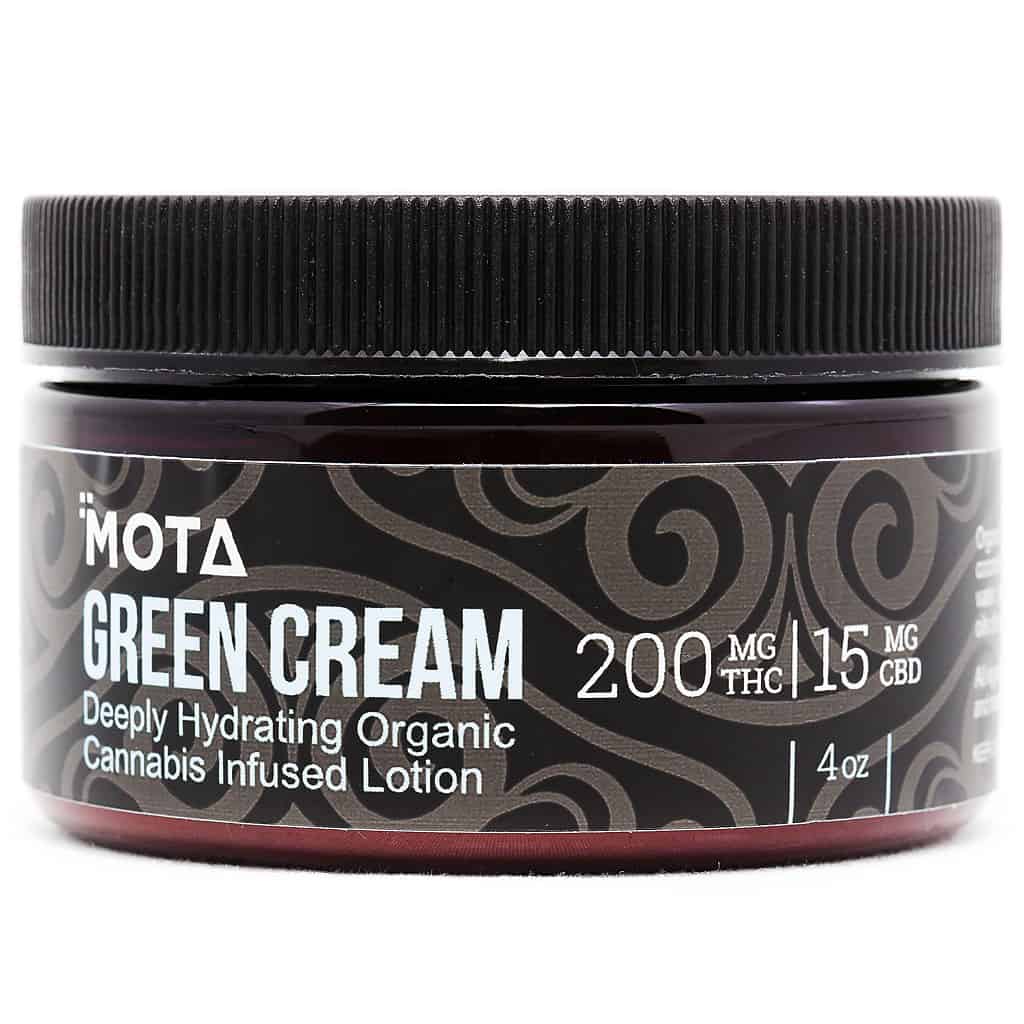
While MOTA edibles are no longer being produced, you can still browse their full product archive on Weedpedia. Here are some of the most popular items that were available:
FAQ
What does MOTA stand for?
When did MOTA Edibles shut down?
Were MOTA Edibles illegal?
Is MOTA Edibles coming back?
Are MOTA Edibles still safe to consume?
What are the best alternatives to MOTA Edibles?
The Bottom Line
MOTA Edibles was a pioneer of the Canadian grey-market cannabis edibles scene, but operating outside the legal framework ultimately caught up with them. Between civil forfeiture proceedings targeting millions in real estate and the post-legalization crackdown on unlicensed producers, MOTA's shutdown was likely inevitable.
If you're looking for cannabis edibles in Canada today, stick with tested, reputable sources. The legal market has improved significantly since 2018, and many online dispensaries now carry lab-tested products that offer the variety and potency that MOTA was once known for.
Compare 50+ Canadian online dispensaries on Weedpedia

Written by
Kate L
Hi! Im a cannabis researcher and writer based in British Columbia, covering strains, dispensary reviews, and harm reduction education. I've has been writing about cannabis culture in Canada since 2019 :3