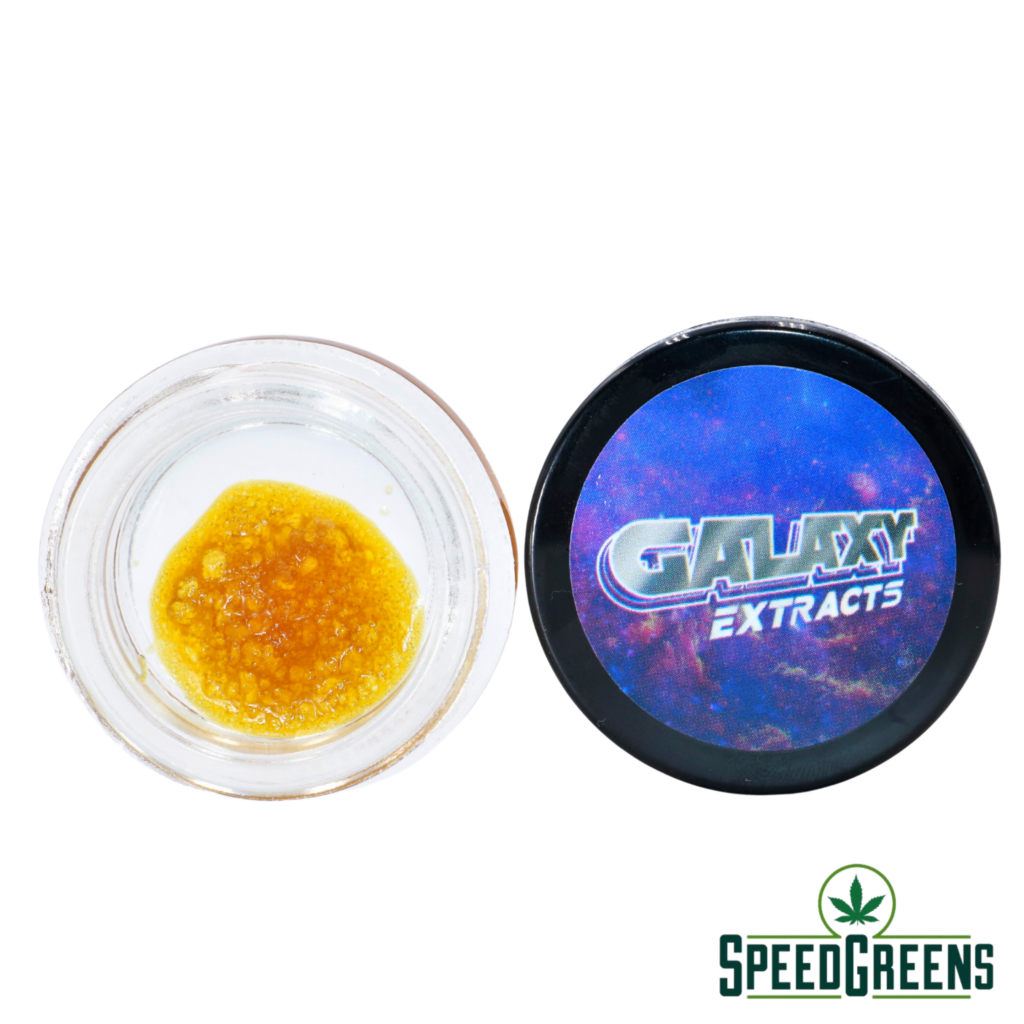
What is Hash? The Complete Guide to Cannabis Hashish
Everything you need to know about hash: its ancient history, how it's made (dry sift, charas, bubble hash), types of hash, THC content, how to smoke it, and how it compares to other concentrates.
Hash, short for hashish, is one of the oldest and most revered cannabis concentrates in the world. Made by separating and compressing the resinous trichomes from the cannabis plant, hash delivers a potent, flavourful experience that's been enjoyed for centuries. This guide covers everything from its ancient origins to how it's made, how to smoke it, and how it compares to modern concentrates.
Whether you're a seasoned concentrate enthusiast or you've just seen hash on a dispensary menu and wondered what it was, this is the complete breakdown you've been looking for.
What is Hash, Exactly?
Hashish is a cannabis concentrate made from trichomes: the tiny, crystal-like glands that cover cannabis flowers and sugar leaves. These trichomes contain the highest concentration of cannabinoids (THC, CBD) and terpenes in the plant, which is what gives hash its potency and distinctive flavour.
To make hash, trichomes are separated from the plant material through various methods (sieving, ice water extraction, or hand-rolling) and then compressed into a solid block or ball. The result is a concentrated product that typically ranges from 20% to 60% THC, compared to the 15–30% you'd find in most dried flower.
Key difference: Unlike modern concentrates (shatter, wax, live resin) that use solvents like butane or CO2 for extraction, traditional hash is made using only physical separation methods, no chemicals involved.
The History of Hash
Hash has one of the longest and richest histories of any cannabis product, spanning thousands of years and multiple continents.
Ancient Origins (900 AD and Earlier)
The earliest documented references to hashish appear in Arabic texts from around the 9th and 10th centuries, though cannabis use in Central Asia predates written records by thousands of years. Archaeological evidence suggests that ancient cultures in what is now China, India, and Central Asia were aware of the psychoactive properties of cannabis resin long before the concept of "hash" was formalized.
In India, a hand-rolled form of hash called charas has been produced in the Himalayan foothills for centuries. This ancient tradition continues today in regions like Malana, Parvati Valley, and parts of Nepal, where charas is made by rubbing live cannabis plants between the palms to collect the sticky resin.
The Hashish Trade (12th–19th Century)
By the 12th century, hashish production and use had spread across the Middle East and North Africa. Morocco, Afghanistan, and Lebanon became major hash-producing regions. Reputations they still hold today. The famed "Hippie Trail" of the 1960s and 70s brought Afghan and Nepalese hash to Western audiences, sparking global demand.
Modern Hash (20th Century to Present)
The development of ice water extraction (bubble hash) in the 1990s revolutionized hash making, allowing for solvent-free concentrates with exceptional purity. Today, hash is enjoying a renaissance in legal markets like Canada, where artisanal producers create premium products using both traditional and modern techniques.
How Hash is Made
There are several methods for making hash, ranging from ancient hand techniques to modern mechanical processes. All share the same goal: separating trichome heads from the plant material.
1. Dry Sift (Screen Method)
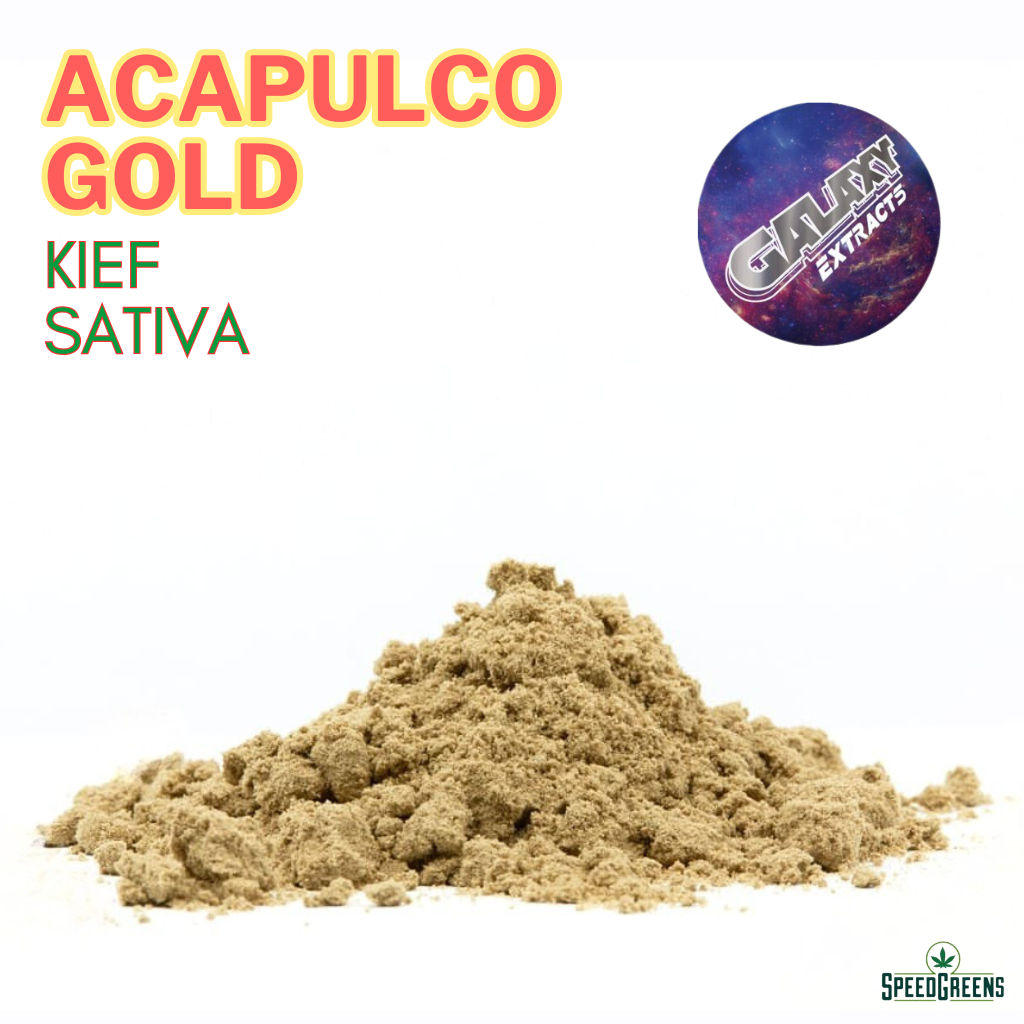
Dried cannabis is rubbed or gently agitated over a series of fine mesh screens. The trichomes fall through the screens and are collected as a fine powder called kief. This kief is then pressed together using heat and pressure to form hash. Dry sift hash is popular in Morocco, where large quantities of cannabis are processed over silk screens to create the country's famous blonde hash.
2. Hand-Rolled (Charas)
The oldest method of hash making. Fresh, living cannabis plants are rubbed between the hands for hours. The sticky resin gradually accumulates on the palms and fingers, which is then scraped off and rolled into balls or sticks. Charas is most associated with India and Nepal and has a distinctive dark colour and aromatic, spicy flavour profile.
3. Bubble Hash (Ice Water Extraction)
Cannabis is agitated in ice water, which freezes the trichomes and makes them brittle enough to snap off. The mixture is then filtered through a series of mesh bags (bubble bags) with progressively smaller micron sizes. Each bag collects trichomes of different sizes, with the finest micron bags generally producing the highest-quality hash. The collected trichomes are dried and can be pressed or left as loose "bubble hash." The name comes from the fact that high-quality bubble hash will bubble and melt when heated.
4. Mechanical Drum
Similar to dry sifting but automated. Frozen cannabis is placed inside a rotating drum lined with a mesh screen. As the drum spins, trichomes break off and fall through the screen for collection. This method is commonly used for large-scale commercial hash production.
Types of Hash
Hash varies significantly based on the region it comes from and the method used to produce it. Here are the most well-known types:
Hash Potency: THC Content Compared to Flower
Because hash is a concentrate, it's significantly more potent than dried flower:
- Dried flower: Typically 15–30% THC
- Traditional hash (pressed): Typically 20–40% THC
- High-quality bubble hash: Can reach 50–60% THC
- Full-melt bubble hash: Can exceed 60% THC
This means you need significantly less hash than flower to achieve the same effects. A small piece the size of a pea can be enough for a full session, especially for those with lower tolerance.
How to Smoke Hash
Hash is incredibly versatile and can be consumed in several ways. Here are the most popular methods:
In a Pipe or Bowl
Crumble or break small pieces of hash and place them directly in a pipe bowl. Apply the flame and inhale slowly. Hash takes a bit longer to catch than flower, so hold the flame on it for a moment. You can also place a small screen in the bowl to prevent pieces from pulling through.
Mixed with Flower (Joint or Bowl)
This is one of the most popular methods. Crumble hash into small pieces and mix it with ground cannabis flower before rolling a joint or packing a bowl. The flower helps the hash burn more evenly and adds a significant potency boost to your session.
Hot Knives
A classic old-school method. Heat the tips of two butter knives on a stove element until they're red hot. Place a small piece of hash on one knife, press the other knife on top, and inhale the resulting smoke through a tube or cut bottle funnel. This method is effective but requires caution due to the hot metal involved.
In a Vaporizer
Many modern dry herb vaporizers can handle hash. Place a small amount in the chamber. Some vaporizers include concentrate pads or liquid pads specifically for hash and concentrates. Set the temperature higher than you would for flower (around 200–220°C / 390–430°F) since hash requires more heat to vaporize effectively.
In a Bong
Pack a small piece of hash into a bong bowl, either alone with a screen or on a bed of flower. The water filtration produces a smooth, flavourful hit. This method works especially well with softer, more pliable hash.
How to Identify Quality Hash
Not all hash is created equal. Here are the signs of high-quality hash:
- Aroma: Quality hash has a rich, complex smell: earthy, spicy, floral, or piney depending on the strain. If it smells like plastic, chemicals, or nothing at all, it's likely low quality or contaminated.
- Bubble test: Hold a flame to a small piece. Good hash will bubble, melt, and produce clean white smoke. If it sparks, turns hard, or produces black, acrid smoke, it contains impurities or plant material.
- Texture: High-quality pressed hash should be slightly pliable when warmed between your fingers. It shouldn't be rock-hard (over-pressed or old) or crumble into dust (too dry or poorly made).
- Colour: Interior colour is more telling than exterior. Break or cut the hash open: the inside should be lighter than the outside. Blonde and golden interiors generally indicate higher trichome purity.
- Ash: When smoked, quality hash leaves white or light grey ash. Dark or black ash indicates plant material contamination.
Hash vs. Other Cannabis Concentrates
With the explosion of concentrate options in the Canadian market, it's helpful to understand how hash compares to other products:
Why choose hash? Hash offers a full-spectrum experience that many modern solvent-based concentrates lack. Because the trichome heads are kept intact rather than dissolved, hash retains a richer terpene profile and produces a more complex, well-rounded high that many consumers prefer over the pure THC blast of shatter or distillate.
Hash in Canada: Legal Status
Hash is fully legal in Canada under the Cannabis Act, which was enacted in October 2018. Cannabis concentrates, including hash, edibles, and vape products, became legally available for sale starting in December 2019 (the "Cannabis 2.0" rollout).
You can purchase hash from licensed provincial retailers and online stores. Many online dispensaries in Canada carry a variety of hash products, from traditional pressed hash to premium bubble hash. Browse our dispensary directory to find retailers carrying hash.
Related reading: THC Distillate Guide · Cheap Shatter in Canada · How to Smoke Weed
Frequently Asked Questions
Is hash stronger than weed?
Yes, hash is generally stronger than dried flower because it's a concentrated form of the plant's trichomes. While flower typically contains 15–30% THC, hash ranges from 20–60% THC depending on the quality and method used to make it. This means you need less hash to achieve the same effects.
What does hash taste like?
Hash has a distinctive flavour that's earthy, spicy, and often more complex than flower. The taste varies by type. Moroccan hash tends to be lighter and more aromatic, while Afghan hash is heavier and earthier. High-quality bubble hash made from terpene-rich strains can have incredibly nuanced flavours.
Can you eat hash?
Hash can be used to make edibles, but it must be decarboxylated (heated) first to convert THCA into active THC. You can decarb hash in an oven at around 110°C (230°F) for 30–40 minutes, then infuse it into butter or oil. Eating raw hash without decarbing will produce little to no psychoactive effect.
How should I store hash?
Store hash in an airtight container in a cool, dark place. Parchment paper works well to wrap pressed hash and prevent it from sticking to containers. For long-term storage, the refrigerator or freezer is ideal. Properly stored hash can maintain its potency and flavour for months or even years.
What is "full melt" bubble hash?
Full melt refers to the highest grade of bubble hash: hash so pure in trichome content that it melts completely when heated, leaving virtually no residue behind. Full melt hash is typically made from the 73–120 micron screens and is considered the pinnacle of solventless extraction. It's rare and commands a premium price.
Is hash the same as kief?
Kief and hash are closely related but not identical. Kief is the raw, unpressed trichome powder that collects in your grinder or is sieved from cannabis. Hash is what you get when kief is compressed using heat and/or pressure. Think of kief as the raw ingredient and hash as the finished product.
Browse Canadian dispensaries that carry premium hash on Weedpedia

Written by
Kate L
Hi! Im a cannabis researcher and writer based in British Columbia, covering strains, dispensary reviews, and harm reduction education. I've has been writing about cannabis culture in Canada since 2019 :3